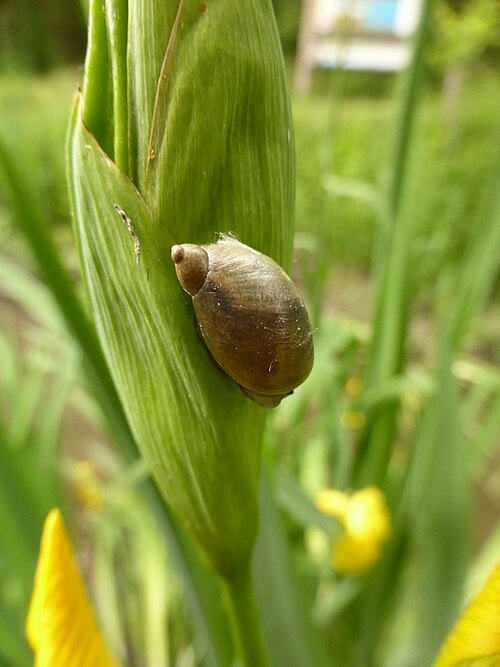
This study explored nickel toxicity across several biological levels in the great pond snail (Lymnaea stagnalis) — from individual life stages to entire laboratory populations.
Research Spotlight: Understanding Nickel’s Ecological Impact on Pond Snails
Understanding Nickel’s Ecological Impact on Pond Snails
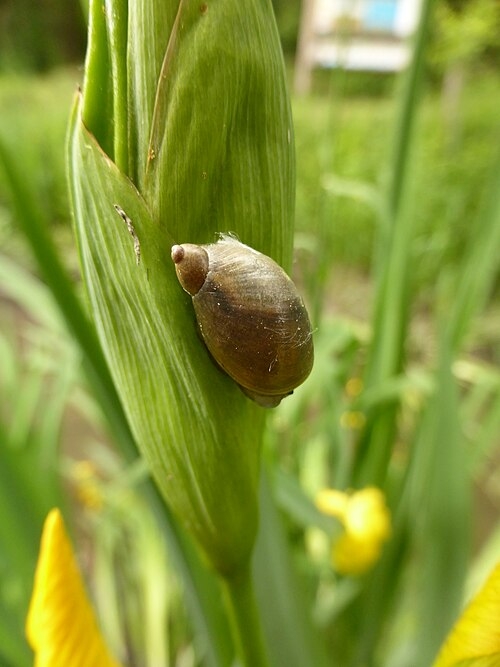
At ARCHE Consulting, we actively support and contribute to the generation of high-quality ecotoxicological data that improve our understanding of how metals interact with the environment. A recently published paper in Aquatic Toxicology presents new findings on the effects of nickel (Ni) on different life stages of the great pond snail (Lymnaea stagnalis), a freshwater species widely recognised for its sensitivity to nickel exposure and its relevance in environmental risk assessments.
A closer look at nickel sensitivity in aquatic species
The study explored nickel toxicity across several biological levels — from individual life stages to entire laboratory populations. This multi-level approach provides valuable insights into how nickel exposure can influence both organism health and population sustainability over time.
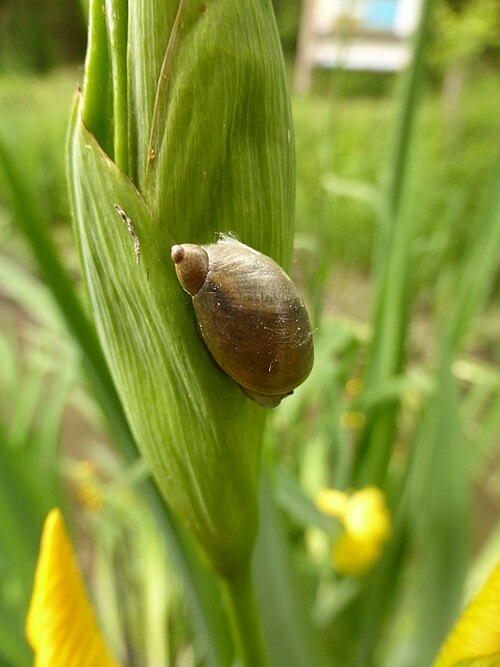
Image credit: Rosa-Maria Rinkl, CC BY-SA 4.0, via Wikimedia Commons
Key results revealed that:
- Freshly hatched snails were the most vulnerable, showing significant growth inhibition even at low exposure levels (6.0 µg Ni/L).
- Adult snails displayed no adverse effects on growth or reproduction under the tested conditions (>147 µg Ni/L).
- Population-level impacts—including reduced density and reproductive output—were only observed at higher concentrations (64.9 µg Ni/L) and after prolonged exposure.
These findings underscore the importance of considering life-stage sensitivity and population-level responses in ecological risk assessment. While early developmental stages appear particularly sensitive, adult organisms and established populations show greater resilience, which helps refine realistic environmental protection thresholds for nickel.
Supporting improved environmental risk assessments
By linking laboratory-based observations to ecologically relevant endpoints, the study provides a stronger scientific foundation for species sensitivity distributions (SSDs) and PNEC derivations used in regulatory frameworks. The results contribute to a broader understanding of how metals like nickel behave in aquatic systems, supporting the continued refinement of environmental quality standards.
At ARCHE Consulting, our experts are deeply involved in metals risk assessment, bioavailability modelling, and data interpretation across different environmental compartments. Research such as this forms a key part of our ongoing efforts to strengthen the scientific basis for evidence-based environmental protection.